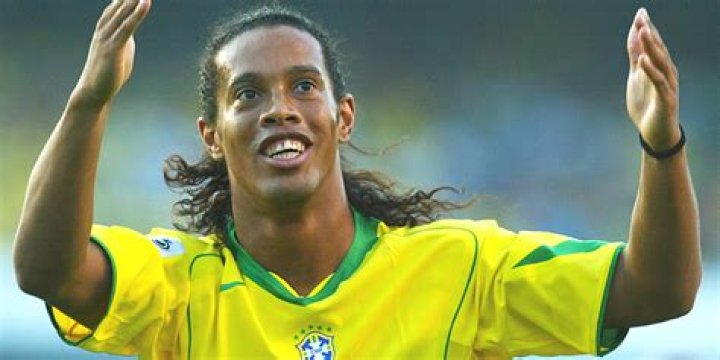
What is Ronaldinho's gender?
Ronaldinho is a male Brazilian footballer who played for clubs such as Barcelona, AC Milan, and Paris Saint-Germain. He is widely considered to be one of the greatest footballers of all time.
Ronaldinho's gender is important because it is a part of his identity. It is also important for understanding his experiences as a footballer and as a person. For example, Ronaldinho has spoken out about the challenges he has faced as a black man in the football world.
Ronaldinho's gender is also important for understanding the history of football. Football has traditionally been a male-dominated sport, and Ronaldinho's success as a black male footballer has helped to break down barriers and change perceptions.
In conclusion, Ronaldinho's gender is an important part of his identity, his experiences, and the history of football.
Ronaldinho Gender
There are several key aspects to consider when discussing Ronaldinho's gender:
- Biological sex: Ronaldinho was assigned male at birth.
- Gender identity: Ronaldinho has not publicly stated his gender identity, but he has been referred to as a man by the media and the public.
- Gender expression: Ronaldinho typically presents himself in a masculine way, but he has also been known to wear women's clothing on occasion.
- Sexual orientation: Ronaldinho has not publicly stated his sexual orientation, but he has been linked to both men and women in the media.
- Social construction of gender: Gender is a social construct, and the way that Ronaldinho's gender is perceived is influenced by the society in which he lives.
- Intersectional identity: Ronaldinho's gender is also shaped by his other identities, such as his race, ethnicity, and class.
- Evolving nature of gender: Gender is not static, and it can change over time. It is possible that Ronaldinho's gender identity or expression could change in the future.
These are just some of the key aspects to consider when discussing Ronaldinho's gender. It is important to remember that gender is a complex and multifaceted concept, and there is no one right way to be genderqueer.
| Name: | Ronaldo de Assis Moreira |
| Date of birth: | March 21, 1980 |
| Place of birth: | Porto Alegre, Brazil |
| Height: | 1.81 m (5 ft 11 in) |
| Weight: | 78 kg (172 lb) |
| Position: | Midfielder |
| Clubs: | Gremio, Paris Saint-Germain, Barcelona, AC Milan, Flamengo, Atletico Mineiro, Queretaro, Fluminense |
| National team: | Brazil |
Biological sex
Biological sex is the classification of a person as male or female based on their physical characteristics, such as their chromosomes, hormones, and reproductive organs. Ronaldinho was assigned male at birth, meaning that the doctors who delivered him determined that he had the physical characteristics of a male.
- Sex and gender are not the same thing. Gender is a social construct that refers to the roles, behaviors, and expectations that a society assigns to people based on their sex. While sex is typically assigned at birth, gender is something that people learn and develop over time.
- There is a wide range of variation in sex and gender. Not everyone fits neatly into the categories of male and female. Some people are born with intersex traits, which means that they have a combination of male and female physical characteristics. Others may identify as transgender, which means that they feel that their gender identity does not match the sex they were assigned at birth.
- The way that we think about sex and gender has changed over time. In many cultures, there have traditionally been only two genders, male and female. However, in recent years, there has been a growing recognition of the diversity of sex and gender.
- The way that we talk about sex and gender is important. Language can be used to reinforce stereotypes and discrimination. It is important to use inclusive language that respects the diversity of sex and gender.
The fact that Ronaldinho was assigned male at birth is a significant part of his gender identity. However, it is important to remember that sex and gender are not the same thing. Gender is a complex and multifaceted concept, and there is no one right way to be genderqueer.
Gender identity
Gender identity is a person's internal sense of their own gender. It is distinct from biological sex, which is assigned at birth based on physical characteristics. Gender identity can be the same as or different from biological sex. Some people identify as transgender, which means that their gender identity does not match the sex they were assigned at birth.
Ronaldinho has not publicly stated his gender identity. However, he has been referred to as a man by the media and the public. This is likely because he was assigned male at birth and has typically presented himself in a masculine way. However, it is important to remember that gender identity is not always visible, and it is possible that Ronaldinho's gender identity does not match the way he is perceived by others.
The fact that Ronaldinho has not publicly stated his gender identity is significant because it highlights the importance of respecting people's privacy. It is not always appropriate to ask someone about their gender identity, and it is never okay to out someone without their consent.
Understanding the difference between biological sex and gender identity is important for creating a more inclusive and respectful society. It is also important to remember that gender identity is a personal and private matter, and that people should be free to express their gender in the way that feels most authentic to them.
Gender expression
Gender expression is the way that a person expresses their gender identity through their clothing, appearance, and behavior. It can be masculine, feminine, androgynous, or genderqueer. Gender expression is not always the same as gender identity, and it can change over time.
- Ronaldinho's gender expression is significant because it challenges traditional notions of masculinity. In many cultures, masculinity is associated with strength, dominance, and aggression. However, Ronaldinho's willingness to wear women's clothing shows that masculinity can be expressed in many different ways.
- Ronaldinho's gender expression is also significant because it shows that gender is fluid. Gender is not a binary, and there is no one right way to be masculine or feminine. Ronaldinho's gender expression shows that people can express their gender in the way that feels most authentic to them.
- Ronaldinho's gender expression is a reminder that gender is a personal and private matter. No one should be forced to conform to traditional gender norms. People should be free to express their gender in the way that feels most authentic to them.
Ronaldinho's gender expression is a powerful example of how gender can be expressed in many different ways. It is a reminder that gender is fluid and that there is no one right way to be masculine or feminine. People should be free to express their gender in the way that feels most authentic to them.
Sexual orientation
Sexual orientation is a person's enduring physical, romantic, and/or emotional attraction to others. It can be heterosexual (attraction to the opposite sex), homosexual (attraction to the same sex), or bisexual (attraction to both sexes). Some people also identify as pansexual (attraction to all genders) or asexual (no sexual attraction).
Ronaldinho has not publicly stated his sexual orientation, but he has been linked to both men and women in the media. This has led to speculation about his sexual orientation, but it is important to remember that sexual orientation is a personal and private matter. Only Ronaldinho can know for sure what his sexual orientation is.
However, the fact that Ronaldinho has been linked to both men and women is significant because it challenges traditional notions of sexuality. In many cultures, sexuality is seen as a binary, with people being either heterosexual or homosexual. However, Ronaldinho's experience shows that sexuality is more fluid and complex than this. People can be attracted to people of different genders in different ways, and there is no one right way to be sexual.
Ronaldinho's experience is also a reminder that sexual orientation is not always visible. Someone may not look gay or lesbian, but that does not mean that they are not. It is important to be respectful of people's sexual orientation, regardless of what it is.
Social construction of gender
Gender is a social construct, meaning that it is not something that is fixed and unchanging. Rather, it is something that is learned and shaped by the society in which we live. This means that the way that we think about gender, and the way that we perceive and interact with people of different genders, is influenced by our social and cultural context.
For example, in many cultures, there is a strong binary division between male and female. This binary division is reflected in the way that we language gender, the way that we socialize children, and the way that we organize our societies. As a result, people who do not fit neatly into this binary division can often face discrimination and prejudice.
Ronaldinho's gender is a complex and multifaceted phenomenon. It is shaped by his biological sex, his gender identity, his gender expression, his sexual orientation, and the social and cultural context in which he lives. The way that Ronaldinho's gender is perceived is influenced by all of these factors, and it is important to be aware of the ways in which gender is socially constructed.
Understanding the social construction of gender is important for a number of reasons. First, it helps us to understand the ways in which gender inequality is created and maintained. Second, it helps us to challenge traditional notions of gender and to create a more inclusive and just society.
Intersectional identity
Intersectional identity is a term used to describe the way that a person's different identities intersect and overlap to create a unique and complex experience of the world. In Ronaldinho's case, his gender is shaped by his race, ethnicity, and class in a number of ways.
For example, as a black man, Ronaldinho has experienced racism and discrimination throughout his life. This has had a significant impact on his sense of self and his understanding of his place in the world. As a result, Ronaldinho's gender is not simply a matter of his biological sex or his gender identity. It is also shaped by his experiences as a black man in a racist society.
Ronaldinho's ethnicity also plays a role in shaping his gender. As a Brazilian, Ronaldinho is part of a culture that has a very different understanding of gender than many other cultures. In Brazil, there is a greater acceptance of gender fluidity and diversity. This has allowed Ronaldinho to explore his gender identity in a way that would not have been possible in many other cultures.
Finally, Ronaldinho's class also shapes his gender. As a working-class man, Ronaldinho has had to face different challenges and obstacles than those faced by people from more privileged backgrounds. This has given him a unique perspective on gender and has led him to develop a strong sense of social justice.
Understanding the intersectional nature of Ronaldinho's gender is important for a number of reasons. First, it helps us to understand the complex and multifaceted nature of gender. Second, it helps us to challenge traditional notions of gender and to create a more inclusive and just society.
Evolving nature of gender
Gender is not static, and it can change over time. This is because gender is a social construct, and social constructs are constantly evolving. What is considered to be masculine or feminine in one culture or time period may not be considered to be so in another. This is also true for gender identity and expression.
- Gender identity is the internal sense of one's own gender. It is distinct from biological sex, which is assigned at birth based on physical characteristics. Gender identity can change over time, and it is not always the same as the sex assigned at birth.
- Gender expression is the way that a person expresses their gender identity through their clothing, appearance, and behavior. Gender expression can also change over time, and it is not always consistent with gender identity.
- It is important to remember that gender is a personal and private matter. No one should be forced to conform to traditional gender norms. People should be free to express their gender in the way that feels most authentic to them.
It is possible that Ronaldinho's gender identity or expression could change in the future. This is because gender is fluid and can change over time. It is also possible that Ronaldinho's gender identity or expression will remain the same throughout his life. Only Ronaldinho can know for sure what his gender identity and expression are, and it is important to respect his choices.
FAQs on Ronaldinho Gender
This section addresses common concerns or misconceptions regarding Ronaldinho's gender identity and expression, providing clear and informative answers to enhance understanding.
Question 1: What is Ronaldinho's gender identity?
Ronaldinho has not publicly stated his gender identity, but he has been referred to as a man by the media and the public. It is important to respect his privacy and allow him to define his own gender identity.
Question 2: What is Ronaldinho's gender expression?
Ronaldinho typically presents himself in a masculine way, but he has also been known to wear women's clothing on occasion. His gender expression is fluid and does not always conform to traditional gender norms.
Question 3: Is Ronaldinho transgender?
Ronaldinho has not publicly stated whether or not he identifies as transgender. It is important to respect his privacy and allow him to define his own gender identity.
Question 4: What does Ronaldinho's gender identity and expression mean for his fans?
Ronaldinho's gender identity and expression are a reminder that gender is fluid and that there is no one right way to be masculine or feminine. His fans should respect his choices and celebrate his individuality.
Question 5: How can we support Ronaldinho and other gender-diverse individuals?
We can support Ronaldinho and other gender-diverse individuals by respecting their pronouns, using inclusive language, and creating safe and welcoming spaces for them.
Question 6: What are the most important things to remember about Ronaldinho's gender?
The most important things to remember about Ronaldinho's gender are that it is personal and private, that it is fluid and can change over time, and that we should respect his choices.
Summary of key takeaways or final thought: Ronaldinho's gender identity and expression are complex and multifaceted. It is important to respect his privacy and allow him to define his own gender identity. We can all learn from his example and become more inclusive and accepting of gender diversity.
Transition to the next article section: Ronaldinho is a role model for many people around the world, both on and off the field. His story is a reminder that we should all be proud of who we are and that we should never let anyone tell us who we can or cannot be.
Conclusion
This article has explored the complex and multifaceted nature of Ronaldinho's gender identity and expression. We have seen that Ronaldinho's gender is shaped by his biological sex, his gender identity, his gender expression, his sexual orientation, and the social and cultural context in which he lives.
Ronaldinho's gender is a reminder that gender is not a binary, and that there is no one right way to be masculine or feminine. It is also a reminder that gender is a personal and private matter, and that we should respect people's choices about how they identify and express their gender.
We can all learn from Ronaldinho's example and become more inclusive and accepting of gender diversity. We can all work to create a world where everyone is free to be themselves, regardless of their gender identity or expression.
Dove Cameron's Latest Love Interest: A Deeper Dive Into Her 2024 Relationship
The Astonishing Wealth Of Jack Nicholson: Uncovering His Staggering Fortune
Nancy Grace's Twins: Age And More
