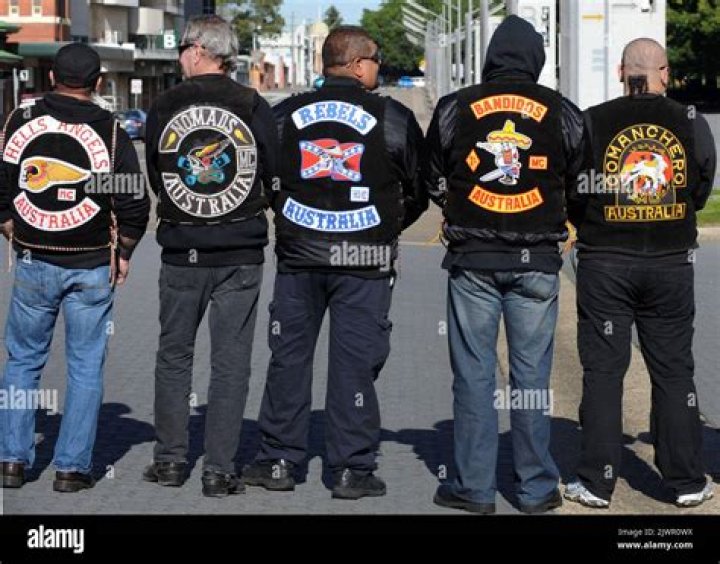
The Hells Angels Motorcycle Club has long been associated with a rich history of rebellion, camaraderie, and a distinctive lifestyle that often captures public attention. While predominantly known as a group of white males, the presence of black members within the Hells Angels community has sparked conversations about race, identity, and acceptance in motorcycle culture. Over the years, these black members have played crucial roles in shaping the club's narrative, contributing to its legacy while navigating the complexities of their identities.
As society continues to evolve, so does the Hells Angels' understanding of diversity and inclusion. The inclusion of black members within the Hells Angels challenges traditional stereotypes and representations often seen in popular media. These individuals have not only embraced the lifestyle but have also become integral to the club's ethos, proving that passion for motorcycles and brotherhood knows no racial boundaries.
This article delves deep into the stories of the Hells Angels black members, exploring their experiences, contributions, and the challenges they face within an organization that has historically been homogeneous. By shedding light on their journeys, we hope to foster a better understanding of the dynamics at play within the Hells Angels and the broader motorcycle culture.
Who Are the Notable Black Members of the Hells Angels?
Throughout the years, several black members have made significant contributions to the Hells Angels. One prominent figure is a member known as "Big Mike." His reputation within the club is notable, and he has been a part of various chapters across the United States. Despite the challenges of being a minority in a predominantly white club, Big Mike has managed to carve out a niche, showcasing his passion for motorcycles and brotherhood.
What Challenges Do Hells Angels Black Members Face?
The journey of black members within the Hells Angels is not without its challenges. While many have found acceptance and camaraderie, others have encountered prejudice or skepticism from both within and outside the club. Issues such as racial profiling, discrimination, and the struggle for acceptance can be prominent hurdles that these members must navigate.
How Has the Presence of Black Members Changed the Hells Angels?
The inclusion of black members has undoubtedly influenced the culture and dynamics within the Hells Angels. Their presence has encouraged discussions about race and identity, prompting a reevaluation of what it means to be a member of the club. This shift may lead to broader acceptance and understanding, fostering a more inclusive environment for all members.
What Motivates Black Members to Join the Hells Angels?
Many black members are drawn to the Hells Angels for various reasons, including the sense of community, freedom, and thrill that comes with motorcycle riding. For some, the club represents a brotherhood that transcends racial boundaries, allowing them to pursue their passion for motorcycles while forming lifelong bonds with fellow riders.
Are There Any Famous Black Hells Angels Members?
While the Hells Angels have many notable members, the representation of black members in mainstream media has been limited. However, some individuals have gained recognition within the motorcycle community and beyond. Their stories highlight the diverse experiences of black members within the club and serve as a testament to the evolving nature of the Hells Angels.
What Role Do Black Members Play in the Hells Angels Community?
Black members contribute significantly to the Hells Angels, assuming various roles within the club's structure. From organizing events to participating in charity rides, these members help shape the club's image and outreach efforts. Their involvement extends beyond riding; they actively engage in community-building and fostering relationships with other motorcycle clubs.
Conclusion: Embracing Diversity in the Hells Angels
The journey of the Hells Angels black members is a clear indication that the motorcycle club culture is evolving. As more individuals from diverse backgrounds join the ranks, the Hells Angels are becoming a more inclusive community. By embracing diversity, the club not only strengthens its bonds but also enriches the experiences of all its members, paving the way for a future where passion for motorcycles and camaraderie transcends race.
In conclusion, the stories of black members within the Hells Angels are not just tales of rebellion and freedom; they are narratives of resilience and acceptance. As we continue to explore the complexities of identity within the motorcycle culture, it is essential to recognize and celebrate the contributions of all members, regardless of their race.
Exploring The Myth: Is There Ocean Front Property In Arizona?
Unveiling The Mystery: Who Is Amanda Balionis Married To?
Discovering The Black Martin Animal: A Fascinating Species
Pin on Hells Angels MC
Hells Angels members were volunteering outside of a Walmart when they
No Hells Angels Jackson bikers defy 'outlaw' image
