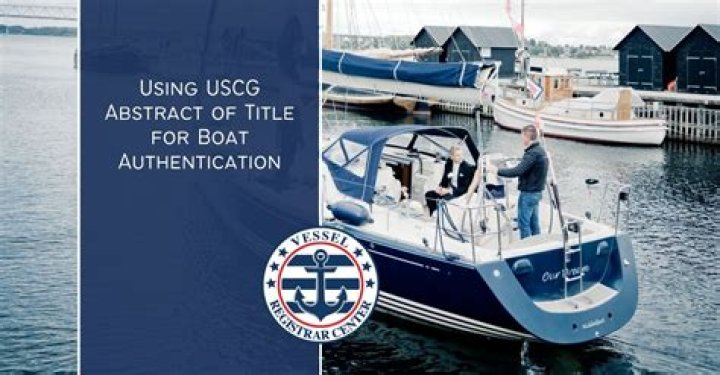
In the vast world of boating, safety and authenticity are paramount. Boat authentication serves as a crucial process that verifies the identity of a vessel, ensuring that it is not only legitimate but also compliant with legal regulations. This process helps prevent theft, fraud, and illegal activities associated with unregistered or misrepresented boats. As boating enthusiasts, it is essential to understand the significance of boat authentication in safeguarding your investment and ensuring a safe maritime experience.
Boat authentication goes beyond just a simple check; it involves a thorough investigation of a boat's history, ownership, and documentation. This verification is necessary for various reasons, including securing insurance, registering the vessel, and complying with local regulations. Moreover, a properly authenticated boat offers peace of mind to its owner, knowing that their vessel is recognized and protected under the law.
As the boating industry continues to grow, so does the need for effective measures to combat fraud and illegal activities. Boat authentication plays a pivotal role in this regard, providing a systematic approach to verifying the identity and legitimacy of vessels. Whether you are a buyer, seller, or simply a boating enthusiast, understanding boat authentication can greatly enhance your boating experience and ensure that you are navigating the waters with confidence.
What is Boat Authentication?
Boat authentication is a process that involves verifying the identity of a boat or vessel to confirm its legitimacy and compliance with regulations. This process may include checking the boat's identification number, registration documents, and ownership history. It serves to protect buyers, sellers, and the boating community as a whole by ensuring that vessels are not stolen or misrepresented.
Why is Boat Authentication Important?
Boat authentication is essential for several reasons:
- **Prevention of Theft**: Verifying a boat's identity helps reduce the risk of purchasing stolen vessels.
- **Legal Compliance**: Ensures that the boat meets all local and national regulations.
- **Insurance**: Many insurance companies require proof of authentication before providing coverage.
- **Resale Value**: An authenticated boat retains its value better in the resale market.
How Does Boat Authentication Work?
The boat authentication process typically involves several steps:
- **Gathering Documentation**: Collect all relevant papers, including registration, title, and previous ownership details.
- **Verification**: Check the boat's hull identification number (HIN) against national databases.
- **Inspection**: Physically inspect the boat to ensure it matches the documentation provided.
- **Certification**: Upon successful verification, a certificate of authentication may be issued.
What Are the Risks of Not Authenticating a Boat?
Failing to authenticate a boat can lead to several significant risks:
- **Legal Issues**: You may unknowingly purchase a stolen or illegally registered vessel.
- **Financial Loss**: If a boat is later discovered to be stolen, you may lose your investment.
- **Insurance Complications**: Without proper authentication, securing insurance can be challenging.
- **Liability**: You may be held liable for any illegal activities associated with the boat.
How Can You Authenticate a Boat?
There are several ways to authenticate a boat effectively:
- **Consulting Professionals**: Engage the services of a marine surveyor or a boat broker who specializes in authentication.
- **Utilizing Online Resources**: Access databases and resources that provide information about registered vessels.
- **Checking with Authorities**: Contact local maritime authorities for guidance on boat authentication procedures.
What to Look for When Authenticating a Boat?
When authenticating a boat, consider the following key factors:
- **Hull Identification Number (HIN)**: Ensure that the HIN matches the documents provided.
- **Registration Documents**: Verify that the vessel is properly registered with local authorities.
- **Ownership History**: Investigate the previous owners and any records of sales or transfers.
- **Physical Condition**: Inspect the boat thoroughly for any signs of tampering or damage.
Are There Legal Requirements for Boat Authentication?
Yes, many jurisdictions have specific legal requirements for boat authentication. These can include:
- **Mandatory Registration**: Most states require boats to be registered with a government agency.
- **Title Requirements**: Some areas may require a title for the boat to prove ownership.
- **Inspection Regulations**: Certain states mandate inspections for safety and compliance before registering a boat.
What Should You Do If You Suspect a Boat is Stolen?
If you suspect that a boat is stolen, take the following steps:
- **Do Not Purchase**: Avoid purchasing the vessel until its legitimacy is confirmed.
- **Report to Authorities**: Contact local law enforcement and provide any information you have.
- **Verify Ownership**: Work with authorities to verify the boat's ownership history.
Conclusion: The Essential Role of Boat Authentication
Boat authentication is a vital process that protects both buyers and sellers in the boating community by ensuring the legitimacy of vessels. By understanding the importance of authentication and following the necessary steps, you can safeguard your investment and contribute to a safer boating environment. Whether you are navigating the calm waters of a lake or the vastness of the ocean, knowing that your boat is authenticated will enhance your boating experience and provide you with peace of mind.
Exploring The Faith Of Merab Dvalishvili: A Glimpse Into His Religion
Exploring The Life And Achievements Of Nmolly Noblitt
Tobey Maguire's Siblings: A Journey Through Family Ties
