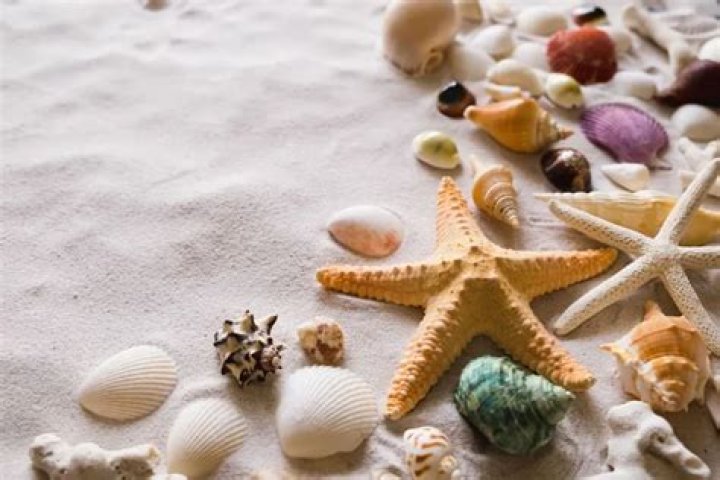
Hawaii is a paradise known for its breathtaking landscapes, pristine beaches, and vibrant marine life. One of the most enchanting aspects of the Hawaiian islands is the abundance of beautiful seashells that wash ashore, captivating visitors and locals alike. However, as you gather these natural treasures, you might wonder: can you take seashells from Hawaii? This question is not just about legality; it also touches on respect for the environment and the islands’ cultural significance. In this article, we will explore the rules, the reasons behind them, and what you should consider before adding these souvenirs to your collection.
When you think of Hawaii, images of sun-soaked beaches and gentle waves come to mind. Many travelers are drawn to the allure of collecting seashells as mementos of their visit, but they may not realize the implications of their actions. The delicate ecosystems that thrive along the shore are vital to maintaining the balance of marine life and the health of the environment. Taking shells from these ecosystems can disrupt habitats and adversely affect wildlife. Thus, understanding the regulations surrounding seashell collection in Hawaii is crucial for every responsible traveler.
In addition to environmental concerns, the cultural significance of seashells in Hawaiian tradition cannot be overlooked. For centuries, shells have played a role in Hawaiian art, jewelry, and tools. They are often seen as sacred and are integral to the stories and practices of Native Hawaiian culture. This adds another layer to the question: can you take seashells from Hawaii? By the end of this article, we hope to provide clarity on this topic, ensuring that your visit to Hawaii is not only enjoyable but also respectful to the islands’ natural and cultural heritage.
What Are the Laws Regarding Seashell Collection in Hawaii?
Before you venture out to collect seashells on your Hawaiian getaway, it’s important to be aware of the local laws. Hawaii has specific regulations regarding the removal of shells from its beaches. Generally, the collection of seashells is prohibited in many areas, especially on state parks and protected beaches. Here are some key points to consider:
- Hawaii Revised Statutes Section 171-58 prohibits the taking of any marine life, including shells, from state lands.
- National parks, such as Hawaii Volcanoes National Park, have strict regulations against collecting any natural materials.
- Some beaches may allow limited collection, but it’s essential to check local guidelines before proceeding.
Why Is Collecting Seashells Discouraged?
The discouragement of seashell collection stems from various environmental and cultural reasons. Here are some of the primary concerns:
- Environmental Impact: Removing shells can disrupt local ecosystems, affecting the habitats of numerous marine species.
- Cultural Significance: Seashells hold cultural value in Hawaiian traditions and should be treated with respect.
- Conservation Efforts: Many organizations focus on preserving Hawaii’s natural beauty, and collecting shells undermines these efforts.
Are There Exceptions to the Rules?
While the general rule is to leave seashells where you found them, there are some exceptions. In certain areas, small amounts of common shells may be collected for personal use, but it’s crucial to adhere to the following guidelines:
- Only collect empty shells; taking shells with living organisms inside is illegal and harmful.
- Limit your collection to a few shells to minimize environmental impact.
- Always respect local rules and regulations, as they may vary by location.
How Can You Enjoy Seashells Without Taking Them?
Even if you cannot take seashells from Hawaii, there are plenty of ways to appreciate them without causing harm. Here are some ideas:
- Photography: Capture the beauty of seashells with your camera or smartphone. This way, you can take home beautiful memories without disturbing the environment.
- Art and Craft: Create art inspired by the shells you see. You can make sketches, paintings, or even crafts that celebrate the beauty of the ocean.
- Collect Knowledge: Learn about the different types of shells found in Hawaii and their roles in the ecosystem.
What Should You Do if You Find a Rare Shell?
Finding a rare or unusual shell can be an exciting experience. However, the best course of action is often to leave it be. Here’s what you should consider:
- Check Local Regulations: Some shells may be protected under local laws, and removing them could lead to fines.
- Report to Authorities: If you believe the shell is particularly rare or endangered, consider reporting it to local conservation authorities.
- Educate Others: Share your findings with fellow beachgoers to raise awareness about the importance of shell conservation.
What Are the Best Practices for Responsible Beachcombing?
Engaging in responsible beachcombing ensures that you can enjoy the beauty of Hawaii while protecting its natural resources. Here are some best practices to follow:
- Leave No Trace: Take all your trash with you and avoid disturbing the natural environment.
- Respect Wildlife: Observe marine life from a distance and avoid interacting with it.
- Follow Local Guidelines: Always familiarize yourself with the specific regulations of the area you are visiting.
Conclusion: Can You Take Seashells from Hawaii?
In summary, while the allure of collecting seashells from Hawaii is understandable, the answer to the question “can you take seashells from Hawaii?” is often a resounding no. The environmental impact, cultural significance, and legal restrictions surrounding seashell collection emphasize the need to respect and preserve the natural beauty of the islands. Whether you choose to admire seashells through photography, art, or knowledge, there are countless ways to appreciate their charm without causing harm. Embrace the spirit of aloha by leaving Hawaii’s treasures where they belong, ensuring that future generations can enjoy the same wonders that captivated you.
Unveiling Jonas Vingegaard's Life: The Woman Behind The Champion
Exploring The Love Life Of Anthony Kiedis: Who Is His Girlfriend?
Unraveling The Life And Legacy Of Peter Culpo
