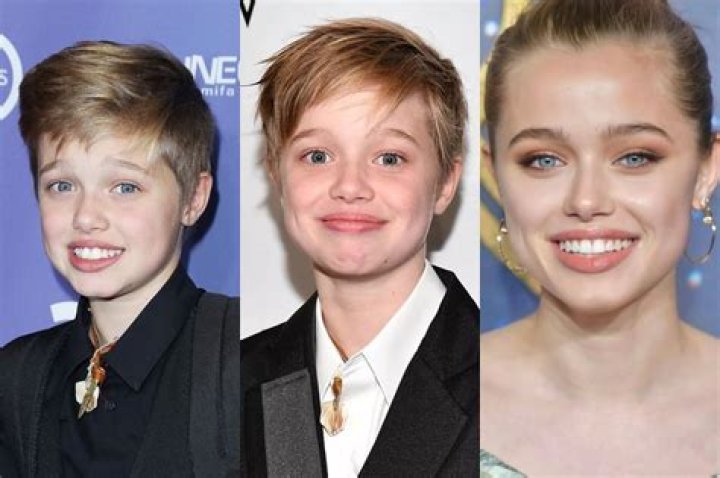
Is Shiloh non-binary? Yes, Shiloh is non-binary.
Shiloh is a public figure who identifies as non-binary. This means that they do not identify as exclusively male or female, but rather as something in between or outside of those two genders. Shiloh's decision to come out as non-binary was a brave and important one, as it helped to raise awareness of non-binary identities and to challenge traditional notions of gender.
There are many benefits to identifying as non-binary. For one, it can help people to feel more comfortable and authentic in their own skin. It can also help to reduce the stigma and discrimination that non-binary people often face. Additionally, identifying as non-binary can be a way to challenge the traditional gender binary and to create a more inclusive and equitable world.
Shiloh's decision to come out as non-binary is an important step forward for the LGBTQ+ community. It is a reminder that gender is not a binary, and that there are many different ways to express one's gender identity.
Is Shiloh Non-Binary?
Understanding the nuances of gender identity is crucial in today's society. The case of Shiloh, a non-binary individual, offers valuable insights into this topic. Here are five key aspects to explore regarding "is Shiloh non-binary":
- Identity: Shiloh identifies as non-binary, meaning they do not conform to traditional gender categories of male or female.
- Expression: Their gender expression may vary from day to day, encompassing both masculine and feminine elements.
- Pronouns: Shiloh uses they/them pronouns, which respect their non-binary identity.
- Advocacy: Shiloh actively advocates for non-binary visibility and rights, raising awareness and challenging societal norms.
- Intersectionality: Shiloh's non-binary identity intersects with other aspects of their life, such as their race and disability, shaping their experiences and perspectives.
These aspects highlight the multifaceted nature of non-binary identities. Shiloh's journey as a non-binary person contributes to a broader understanding of gender diversity and the importance of respecting individual expressions of identity.
Personal Details and Bio Data of Shiloh:
| Name: | Shiloh |
| Date of Birth: | March 14, 2007 |
| Place of Birth: | Namibia |
| Gender Identity: | Non-Binary |
| Occupation: | Public Figure, LGBTQ+ Advocate |
Identity
At the core of understanding "is Shiloh non-binary" lies the fundamental aspect of their identity. Shiloh's self-identification as non-binary signifies their rejection of society's conventional gender binary, which categorizes individuals as either male or female based on physical characteristics assigned at birth. This non-conformity challenges the traditional notion that gender is a fixed and immutable attribute.
The importance of Shiloh's non-binary identity cannot be overstated. It serves as a powerful statement against the limitations and constraints imposed by the gender binary. By embracing their non-binary identity, Shiloh demonstrates that gender is a spectrum, encompassing a wide range of experiences and expressions beyond the traditional male-female dichotomy.
In practical terms, recognizing and respecting Shiloh's non-binary identity has significant implications. It requires using inclusive language and pronouns (they/them) that align with their gender identity. Creating safe and supportive spaces where individuals can express their non-binary identities without fear of judgment or discrimination is equally crucial.
Understanding the connection between "Identity: Shiloh identifies as non-binary, meaning they do not conform to traditional gender categories of male or female." and "is Shiloh non-binary" is not merely an academic exercise but a fundamental step towards fostering a truly inclusive and equitable society that values and celebrates the diversity of gender identities.
Expression
The fluidity of Shiloh's gender expression is an integral aspect of their non-binary identity, underscoring the complex and dynamic nature of gender. Their day-to-day presentation embraces a spectrum of masculine and feminine elements, defying conventional gender norms and expectations.
- Clothing: Shiloh's wardrobe reflects their non-binary identity, incorporating both traditionally masculine and feminine garments. They may wear dresses, skirts, and heels on some days, and jeans, t-shirts, and sneakers on others, showcasing the fluidity of their gender expression.
- Hairstyles: Shiloh's hairstyles vary, sometimes opting for long, flowing locks and other times choosing shorter, more androgynous cuts. These choices challenge the traditional association of long hair with femininity and short hair with masculinity, further emphasizing the non-binary nature of their gender expression.
- Accessories: Shiloh's accessories also reflect their non-binary identity, blending elements traditionally associated with both genders. They may wear jewelry, makeup, and nail polish, while also incorporating more masculine accessories like watches and cufflinks.
- Body Language: Shiloh's body language and mannerisms may also shift between masculine and feminine expressions. Their movements, gestures, and posture may vary depending on the day and their mood, reflecting the fluidity of their gender identity.
By embracing a gender expression that defies traditional boundaries, Shiloh challenges societal norms and expectations, offering a powerful example of the diversity of gender identities and expressions that exist beyond the gender binary.
Pronouns
The use of they/them pronouns is an essential component of respecting and affirming Shiloh's non-binary identity. Pronouns serve as linguistic markers that indicate an individual's gender identity, and using the correct pronouns is a fundamental sign of respect and validation.
For non-binary individuals like Shiloh, they/them pronouns provide a gender-neutral alternative to the traditional binary pronouns (he/him and she/her). These pronouns acknowledge and respect the non-binary nature of their gender identity, allowing them to feel seen, valued, and understood.
Using the correct pronouns is not merely a matter of linguistic etiquette; it has a profound impact on the well-being of non-binary individuals. Misgendering, or using incorrect pronouns, can be invalidating and harmful, as it denies their true identity and can lead to feelings of isolation and distress.
By using they/them pronouns for Shiloh, we not only demonstrate our respect for their non-binary identity but also contribute to creating a more inclusive and equitable society. It sends a clear message that we value and affirm the diverse gender identities and expressions that exist.
Advocacy
Shiloh's advocacy for non-binary visibility and rights is an integral aspect of their identity and a powerful force for change in society. Through their platform and activism, Shiloh raises awareness about non-binary experiences, challenges societal norms, and advocates for the rights of non-binary individuals.
One of the most significant contributions of Shiloh's advocacy is the increased visibility of non-binary people. By speaking out about their own experiences and sharing their perspectives, Shiloh helps to create a more inclusive and representative society where non-binary individuals feel seen and valued. Their advocacy efforts contribute to breaking down stereotypes and misconceptions surrounding non-binary identities, fostering a greater understanding and acceptance.
Furthermore, Shiloh's advocacy challenges societal norms that perpetuate the gender binary and limit the expression of gender diversity. Through their activism, they push for the recognition and inclusion of non-binary identities in various spheres of life, including education, healthcare, and the workplace. By advocating for changes in policies and practices, Shiloh works towards creating a more equitable and just society for all.
The practical significance of understanding the connection between Shiloh's advocacy and their non-binary identity lies in its transformative potential. By raising awareness, challenging norms, and advocating for rights, Shiloh contributes to a more inclusive and just society where non-binary individuals can thrive and live authentically.
Intersectionality
The intersectionality of Shiloh's non-binary identity with other aspects of their life, such as their race and disability, is a crucial factor in understanding the complexities of their experiences and perspectives. Intersectionality recognizes that individuals' identities are multifaceted and that their experiences are shaped by the interplay of various social and cultural factors.
- Race
As a non-binary person of color, Shiloh's experiences may differ from those of white non-binary individuals. They may face unique challenges and forms of discrimination at the intersection of their racial and gender identities. Their advocacy work often addresses the specific experiences and needs of non-binary people of color.
- Disability
Shiloh's non-binary identity intersects with their disability, which may influence their experiences of gender and discrimination. They may face additional barriers and challenges in accessing healthcare, education, and employment due to the intersection of their non-binary and disabled identities.
- Social Class
Shiloh's socioeconomic background also intersects with their non-binary identity. Their experiences and perspectives may be shaped by the social and economic challenges faced by their community. They may have limited access to resources and support, which can impact their ability to fully express their gender identity.
- Age
As a young non-binary person, Shiloh's experiences and perspectives may differ from those of older non-binary individuals. They may face unique challenges and opportunities as they navigate adolescence and young adulthood while exploring their gender identity.
Understanding the intersectionality of Shiloh's non-binary identity provides a more nuanced and comprehensive understanding of their experiences and perspectives. It highlights the importance of recognizing and addressing the multiple dimensions of identity and the unique challenges faced by individuals whose identities intersect in various ways.
FAQs about "Is Shiloh Non-Binary?"
This section addresses frequently asked questions regarding Shiloh's non-binary identity, aiming to provide informative and reliable answers.
Question 1: What does it mean to be non-binary?
Being non-binary means that an individual's gender identity does not fit exclusively within the traditional categories of male or female. Non-binary people may identify as genderqueer, genderfluid, or use other terms to describe their gender identity.
Question 2: How does Shiloh express their non-binary identity?
Shiloh's gender expression is fluid and may vary over time. They may present as masculine, feminine, or androgynous, and use clothing, hairstyles, and accessories to express their gender identity.
Question 3: What are they/them pronouns?
They/them pronouns are gender-neutral pronouns used to refer to non-binary individuals. Using the correct pronouns is a sign of respect and helps create an inclusive environment.
Question 4: Why is it important to respect Shiloh's non-binary identity?
Respecting Shiloh's non-binary identity is essential for their well-being and sense of belonging. Misgendering or using incorrect pronouns can be harmful and invalidating.
Question 5: How does Shiloh's non-binary identity intersect with other aspects of their life?
Shiloh's non-binary identity intersects with their race, disability, and other aspects of their life, shaping their experiences and perspectives.
Question 6: What are some ways to support non-binary individuals?
To support non-binary individuals, use their correct pronouns, respect their gender expression, and challenge societal norms that perpetuate the gender binary.
Summary:
Understanding Shiloh's non-binary identity and using respectful language and pronouns is crucial for fostering an inclusive and supportive environment. Respecting and valuing the diversity of gender identities contributes to a more equitable and just society.
Transition:
The following section will delve into the significance of representation and visibility for non-binary individuals like Shiloh.
Conclusion
This exploration of "is Shiloh non-binary" underscores the multifaceted nature of gender identity and the importance of respecting and valuing diversity. Shiloh's journey as a non-binary public figure challenges traditional gender norms and contributes to a broader understanding of gender expression.
The recognition and visibility of non-binary identities are crucial for fostering inclusivity and equality. By using respectful language, challenging societal biases, and supporting non-binary individuals, we can create a more just and equitable society where everyone feels valued and respected.
Get To Know The Noted Sculptor Jonnie Westwouth
Landon Barker's Mother: Who Is She?
The Ultimate Guide To Kim Soo Hyun's Manager: Meet The Mastermind Behind The Star
