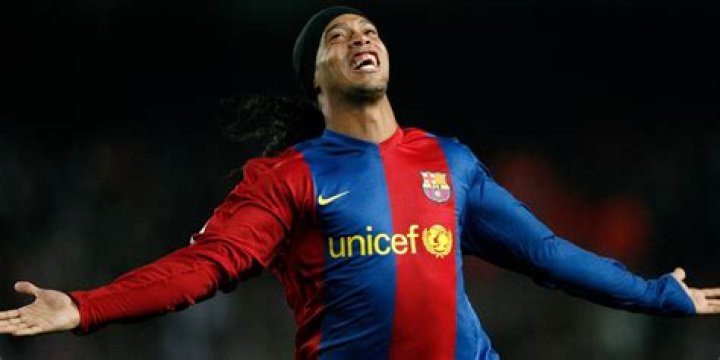
The world of football witnessed the retirement of one of its most iconic and skillful players, Ronaldinho. After a glittering career spanning over two decades, the question of "where did Ronaldinho retire" has been on the minds of many football enthusiasts.
Ronaldinho's retirement was announced in January 2018, bringing an end to an illustrious career that saw him grace the fields of some of the biggest clubs in the world, including Barcelona, AC Milan, and Paris Saint-Germain. His retirement marked a significant moment in football history, as one of the most entertaining and gifted players of his generation decided to hang up his boots.
The decision to retire was a difficult one for Ronaldinho, who had been contemplating it for some time. However, at the age of 37, he felt that his body could no longer keep up with the demands of top-level football. He also expressed a desire to spend more time with his family and focus on other projects outside of football.
Ronaldinho's retirement has been met with sadness by fans around the world, who will fondly remember his incredible skills, infectious smile, and love for the game. He will undoubtedly go down in history as one of the greatest players of all time, and his legacy will continue to inspire young footballers for generations to come.
Where Did Ronaldinho Retire?
Ronaldinho's retirement in 2018 marked the end of an illustrious career for one of the most iconic and skillful players in football history. Here are six key aspects related to his retirement:
- Age: 37
- Date: January 2018
- Reason: Declining physical abilities and desire to focus on family and other projects
- Announcement: Made via social media
- Reaction: Sadness from fans worldwide, recognition of his legacy as one of the greatest players of all time
- Future: Plans to continue involvement in football through coaching and youth development
Ronaldinho's retirement was a significant moment in football history, as it marked the end of an era for one of the most entertaining and gifted players of his generation. His legacy will continue to inspire young footballers for generations to come.
Personal Details and Bio Data of Ronaldinho:
| Name | Ronaldo de Assis Moreira |
|---|---|
| Born | March 21, 1980 (Porto Alegre, Brazil) |
| Position | Forward/Midfielder |
| Clubs | Gremio, Paris Saint-Germain, Barcelona, AC Milan, Flamengo, Atletico Mineiro, Queretaro, Fluminense |
| International Career | Brazil (97 caps, 33 goals) |
| Major Honours | FIFA World Cup (2002), Copa America (1999), UEFA Champions League (2006), Ballon d'Or (2005) |
Age
Ronaldinho's decision to retire at the age of 37 was influenced by several factors. Firstly, his physical abilities had declined to some extent, which is a common challenge for athletes as they get older. The demands of top-level football, with its intense training sessions and competitive matches, can take a toll on the body over time. Secondly, Ronaldinho had been considering retirement for some time and felt that the time was right to hang up his boots. He had achieved great success in his career and was ready to move on to other challenges.
- Physical decline: As athletes age, their physical abilities naturally decline. This can affect their speed, agility, and endurance, which are all important attributes for a footballer.
- Mental fatigue: The mental demands of top-level football can also take a toll on players. The pressure to perform, the constant travel, and the intense media scrutiny can all contribute to mental fatigue.
- Desire for a new challenge: After a long and successful career, some players may feel that they are ready for a new challenge. This could involve moving into coaching, punditry, or other areas of the football industry.
- Family and personal life: As players get older, they may also want to spend more time with their family and focus on their personal life. This was a factor in Ronaldinho's decision to retire, as he wanted to spend more time with his son.
Ultimately, Ronaldinho's decision to retire at the age of 37 was a personal one. He felt that he had achieved everything he could in the game and was ready to move on to the next chapter in his life.
Date
The date "January 2018" is significant in relation to "where did Ronaldinho retire" as it marks the time when Ronaldinho officially announced his retirement from professional football. The announcement was made via social media, where Ronaldinho expressed his gratitude for the support he had received throughout his career and his excitement for the next chapter in his life.
The decision to retire in January 2018 was likely influenced by a number of factors, including Ronaldinho's age (37 at the time) and his declining physical abilities. Ronaldinho had been contemplating retirement for some time, and he felt that the time was right to hang up his boots after a long and successful career.
The date "January 2018" is therefore an important component of "where did Ronaldinho retire" as it marks the end of his playing career. Ronaldinho's retirement was a significant moment in football history, as it marked the end of an era for one of the most entertaining and gifted players of his generation.
Reason
The reason for Ronaldinho's retirement, namely declining physical abilities and a desire to focus on family and other projects, is closely connected to the question of "where did Ronaldinho retire".
Firstly, declining physical abilities are a common factor in the retirement of athletes. As athletes age, their bodies naturally decline, which can affect their speed, agility, and endurance. This can make it difficult to compete at the highest level, and may prompt athletes to consider retirement.
Secondly, the desire to focus on family and other projects is also a common reason for athletes to retire. After a long and successful career, athletes may feel that they are ready to move on to other challenges and spend more time with their loved ones.
In Ronaldinho's case, both of these factors played a role in his decision to retire. He had been contemplating retirement for some time, and he felt that the time was right to hang up his boots after a long and successful career. He also expressed a desire to spend more time with his son and focus on other projects outside of football.
The connection between "Reason: Declining physical abilities and desire to focus on family and other projects" and "where did Ronaldinho retire" is therefore significant. These factors played a major role in Ronaldinho's decision to retire, and they are common reasons for athletes to retire in general.
Announcement
The connection between "Announcement: Made via social media" and "where did Ronaldinho retire" lies in the fact that social media has become a primary means of communication for athletes and celebrities to interact with fans and the public.
In Ronaldinho's case, he chose to announce his retirement via social media, specifically through Instagram. This allowed him to control the message and share it with his millions of followers directly, without the need for intermediaries or traditional media outlets.
The use of social media for such announcements has several advantages. Firstly, it allows athletes to connect with their fans on a more personal level. Secondly, it gives them the opportunity to share their thoughts and feelings directly, without the risk of misinterpretation or sensationalism by the media. Thirdly, it allows athletes to control the narrative surrounding their retirement and avoid any unnecessary speculation or rumors.
In the broader context, the use of social media for retirement announcements has become increasingly common among athletes. This is due to the fact that social media has become an integral part of our lives and is a powerful tool for communication and self-expression.
In conclusion, the connection between "Announcement: Made via social media" and "where did Ronaldinho retire" is significant. Social media has become a primary means for athletes to communicate with fans and the public, and it provides them with a platform to control their message and share their thoughts and feelings directly.
Reaction
The reaction to Ronaldinho's retirement was one of sadness from fans worldwide, coupled with a recognition of his legacy as one of the greatest players of all time. This reaction is closely connected to the significance of "where did Ronaldinho retire", as it highlights the impact and esteem he had garnered throughout his career.
- Global Impact: Ronaldinho's retirement sparked a wave of sadness among football fans around the world. This is a testament to his global reach and the joy he brought to fans with his skillful play and infectious personality.
- Legacy of Greatness: Ronaldinho's retirement also prompted widespread recognition of his legacy as one of the greatest players of all time. His unique skills, flair, and ability to entertain made him a beloved figure in the football world.
- End of an Era: Ronaldinho's retirement marked the end of an era for many football fans. He was one of the last remaining players from the golden generation of Brazilian footballers, and his retirement signaled the changing landscape of the game.
- Inspiration for Future Generations: Despite his retirement, Ronaldinho's legacy will continue to inspire future generations of footballers. His skills, creativity, and love for the game will serve as a model for young players around the world.
In conclusion, the reaction to Ronaldinho's retirement underscores his global impact, legacy of greatness, and enduring influence on the game of football. His retirement marked the end of an era and serves as a reminder of the joy and inspiration that he brought to fans worldwide.
Future
The connection between "Future: Plans to continue involvement in football through coaching and youth development" and "where did Ronaldinho retire" lies in the enduring legacy and impact that retired players can have on the sport. Ronaldinho's retirement from professional football does not mark the end of his involvement in the game. Instead, his plans to continue through coaching and youth development demonstrate his commitment to giving back and inspiring future generations.
Coaching and youth development provide retired players with a platform to share their knowledge, skills, and experience with aspiring young footballers. By mentoring and guiding young players, retired players like Ronaldinho can help shape the future of the sport and ensure its continued growth and success.
Ronaldinho's plans to continue his involvement in football through coaching and youth development also highlight the importance of giving back to the communities that have supported him throughout his career. By investing in the development of young players, Ronaldinho is helping to create opportunities for them to achieve their dreams and reach their full potential.
In conclusion, the connection between "Future: Plans to continue involvement in football through coaching and youth development" and "where did Ronaldinho retire" underscores the enduring legacy and impact that retired players can have on the sport. Ronaldinho's commitment to coaching and youth development is a testament to his passion for football and his desire to inspire future generations.
Where Did Ronaldinho Retire? FAQs
This section addresses frequently asked questions related to "where did Ronaldinho retire" to provide comprehensive information and clarify any misconceptions.
Question 1: When did Ronaldinho retire?
Answer: Ronaldinho announced his retirement from professional football in January 2018, at the age of 37.
Question 2: Why did Ronaldinho retire?
Answer: Ronaldinho's decision to retire was influenced by factors such as declining physical abilities and a desire to focus on family and other projects.
Question 3: How did Ronaldinho announce his retirement?
Answer: Ronaldinho announced his retirement via social media, specifically through Instagram, where he shared a heartfelt message with his fans.
Question 4: What was the reaction to Ronaldinho's retirement?
Answer: Ronaldinho's retirement was met with sadness from fans worldwide, who recognized and celebrated his legacy as one of the greatest players of all time.
Question 5: What are Ronaldinho's plans for the future?
Answer: Ronaldinho plans to continue his involvement in football through coaching and youth development, sharing his knowledge and passion with future generations of players.
Question 6: What is Ronaldinho's legacy in football?
Answer: Ronaldinho is widely regarded as one of the greatest and most skillful players in football history, known for his exceptional dribbling abilities, flair, and creativity on the pitch.
These FAQs provide key insights into Ronaldinho's retirement and its significance in the football world, helping to clarify any questions or misconceptions.
Transition to the next article section: Ronaldinho's Retirement: A Detailed Look
Conclusion
Ronaldinho's retirement in January 2018 marked the end of an illustrious career for one of football's most iconic and skillful players. His decision to hang up his boots was influenced by declining physical abilities and a desire to focus on family and other projects.
Ronaldinho's retirement has been met with sadness from fans worldwide, who will fondly remember his incredible skills, infectious smile, and love for the game. He will undoubtedly go down in history as one of the greatest players of all time, and his legacy will continue to inspire young footballers for generations to come.
Ronaldinho's retirement also serves as a reminder of the enduring impact that retired players can have on the sport. Through coaching, youth development, and other initiatives, Ronaldinho plans to continue his involvement in football and share his knowledge and passion with future generations.
As we bid farewell to one of the most entertaining and gifted players of his generation, we celebrate Ronaldinho's remarkable career and the lasting legacy he has left on the world of football.
The Weighty Wonder: Penny's Enigma On The Big Bang Theory
Exclusive Camilla Aurajo Leak: Unseen Footage Revealed
Blake Lively's Daughters' Ages: A Comprehensive Look
