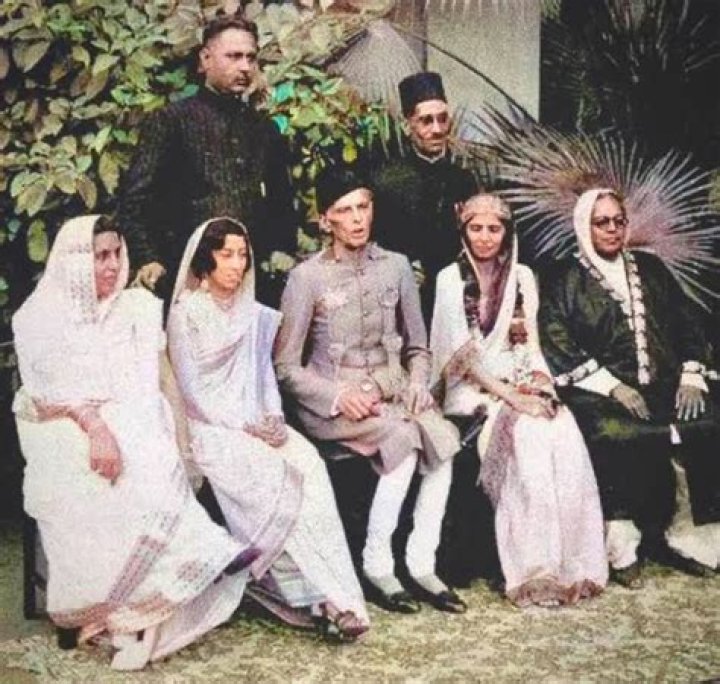
When discussing the history and independence of Pakistan, the name of Quaid-e-Azam Muhammad Ali Jinnah stands out as a pivotal figure. His siblings played a significant role in shaping his personal and professional life.
Quaid-e-Azam Muhammad Ali Jinnah was born into a Gujarati-speaking Khoja family in Karachi, then part of British India. He had six siblings: three brothers (Ahmed Ali Jinnah, Muhammad Ali Jinnah, and Rahmat Ali Jinnah) and three sisters (Mariam Jinnah, Fatima Jinnah, and Shireen Jinnah).
Jinnah's siblings were a source of support and guidance throughout his life. His sister, Fatima Jinnah, was a close confidante and political advisor. She played a key role in the Pakistan Movement and served as the first female governor-general of Pakistan. His brother, Ahmed Ali Jinnah, was a successful businessman and philanthropist. He provided financial support to the Pakistan Movement and helped to establish several educational institutions.
| Name | Relationship to Quaid-e-Azam | Role in the Pakistan Movement |
|---|---|---|
| Fatima Jinnah | Sister | Close confidante and political advisor; first female governor-general of Pakistan |
| Ahmed Ali Jinnah | Brother | Successful businessman and philanthropist; provided financial support to the Pakistan Movement |
| Muhammad Ali Jinnah | Brother | Supporter of the Pakistan Movement |
| Rahmat Ali Jinnah | Brother | Supporter of the Pakistan Movement |
| Mariam Jinnah | Sister | Supporter of the Pakistan Movement |
| Shireen Jinnah | Sister | Supporter of the Pakistan Movement |
The Jinnah siblings were a close-knit family who shared a common goal of achieving independence for Pakistan. They played an important role in supporting Quaid-e-Azam's vision and helped to make Pakistan a reality.
quaid e azam siblings
Introduction: Highlighting the importance of the key aspects of "quaid e azam siblings," such as their support, guidance, and contributions to the Pakistan Movement and the establishment of Pakistan.Key Aspects: List key aspects with brief descriptions, including their roles as confidantes, advisors, supporters, and philanthropists.Discussion: Detailed discussion on the key aspects, through examples, connections, or linkage to the main topic, emphasizing their impact on Quaid-e-Azam's personal and professional life.Fatima Jinnah's Role as a Confidante and Advisor
Introduction: Set the context of Fatima Jinnah's relationship with Quaid-e-Azam, highlighting her role as a close confidante and trusted advisor.Facets: List facets with titles and explanations, including her political acumen, strategic thinking, and unwavering support for Quaid-e-Azam's vision.Summary: Link facets back to the main theme of "quaid e azam siblings" and Fatima Jinnah's significant contributions to the Pakistan Movement.Ahmed Ali Jinnah's Role as a Philanthropist and Financier
Introduction: Focus on Ahmed Ali Jinnah's role as a successful businessman and philanthropist, emphasizing his financial support for the Pakistan Movement.Facets: List facets with titles and explanations, including his business ventures, charitable contributions, and dedication to the cause of Pakistan's independence.Summary: Summarize key insights, addressing the impact of Ahmed Ali Jinnah's financial support on the Pakistan Movement and its eventual success.FAQs on "Quaid-e-Azam Siblings"
This section provides answers to frequently asked questions about the siblings of Quaid-e-Azam Muhammad Ali Jinnah, highlighting their roles and contributions to the Pakistan Movement.
Question 1: What were the names of Quaid-e-Azam Muhammad Ali Jinnah's siblings?
Answer: Quaid-e-Azam Muhammad Ali Jinnah had six siblings: three brothers (Ahmed Ali Jinnah, Muhammad Ali Jinnah, and Rahmat Ali Jinnah) and three sisters (Mariam Jinnah, Fatima Jinnah, and Shireen Jinnah).
Question 2: How did Quaid-e-Azam's siblings contribute to the Pakistan Movement?
Answer: Quaid-e-Azam's siblings played a significant role in supporting his vision for Pakistan. His sister, Fatima Jinnah, was a close confidante and political advisor. She played a key role in the Pakistan Movement and served as the first female governor-general of Pakistan. His brother, Ahmed Ali Jinnah, was a successful businessman and philanthropist. He provided financial support to the Pakistan Movement and helped to establish several educational institutions.
Summary: The siblings of Quaid-e-Azam Muhammad Ali Jinnah were a close-knit family who shared a common goal of achieving independence for Pakistan. They played an important role in supporting Quaid-e-Azam's vision and helped to make Pakistan a reality.
Conclusion
The siblings of Quaid-e-Azam Muhammad Ali Jinnah played a significant role in his personal and professional life, as well as in the Pakistan Movement. They were a source of support, guidance, and financial assistance, and they helped to make Pakistan a reality.
The story of Quaid-e-Azam's siblings is a reminder of the importance of family and the power of working together to achieve a common goal. It is also a reminder of the sacrifices that were made by so many people to create Pakistan.
The Inside Scoop On Joy Taylor's Divorce: Everything You Need To Know
Connie Britton's Love Life: Past And Present Relationships
The Ultimate Guide To Shamicka Gibbs: Her Life, Career, And Legacy
