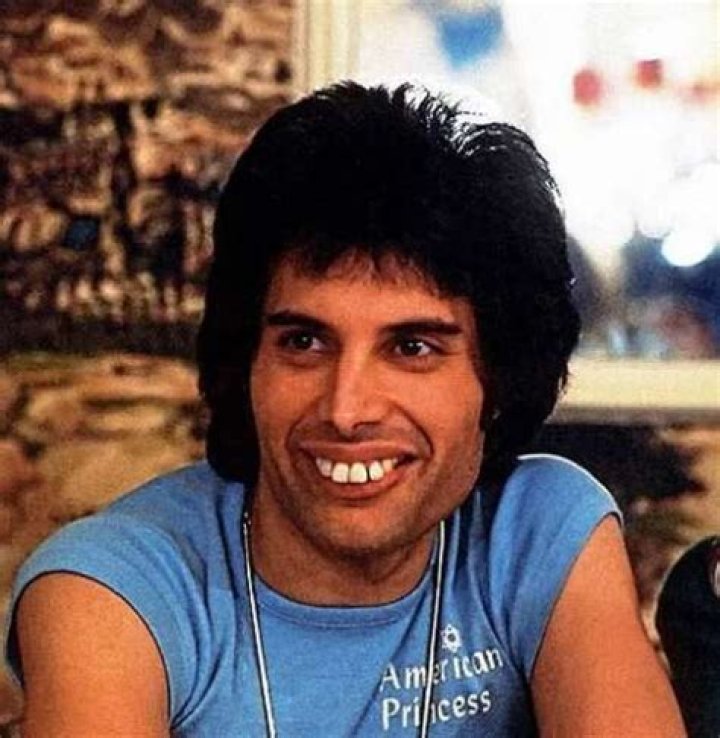
Freddie Mercury, the legendary frontman of the iconic rock band Queen, is known for his extraordinary vocal talent, flamboyant stage presence, and unforgettable music. However, one aspect of his life that often sparks curiosity is his ethnicity. Understanding Freddie Mercury's ethnic background not only adds depth to his persona but also sheds light on how his cultural roots influenced his artistry. In this article, we delve into the rich tapestry of Freddie Mercury's ethnicity, exploring his heritage and the multicultural influences that shaped his music and identity.
Born Farrokh Bulsara in Zanzibar, Tanzania, in 1946, Freddie Mercury was the son of Parsi parents who had emigrated from India. This unique combination of African, Indian, and British influences played a significant role in shaping his identity and artistic expression. As we explore Freddie Mercury's ethnicity, we will uncover the various elements that contributed to his dynamic persona, as well as the societal context in which he grew up. His diverse background not only made him a global icon but also allowed him to connect with fans from all walks of life.
As we journey through Freddie Mercury's life, we will answer some compelling questions about his ethnicity, heritage, and the impact of his cultural background on his music. From his early years in Zanzibar to his rise to fame in the United Kingdom, Freddie Mercury's story is one of resilience, creativity, and the celebration of diversity. Let's dive deeper into the life of this extraordinary artist and discover what makes his ethnicity so significant to his legacy.
What is Freddie Mercury's Biography?
| Attribute | Details |
|---|---|
| Full Name | Farrokh Bulsara |
| Date of Birth | September 5, 1946 |
| Place of Birth | Zanzibar, Tanzania |
| Nationality | British |
| Ethnicity | Parsi (Indian descent) |
| Occupation | Musician, Singer, Songwriter |
| Famous For | Lead vocalist of Queen |
| Date of Death | November 24, 1991 |
How Did Freddie Mercury's Ethnicity Influence His Music?
Freddie Mercury's ethnicity played a pivotal role in shaping his musical style and artistic vision. Growing up in a multicultural environment, he was exposed to a variety of musical genres and cultural influences. The rhythms and melodies of his Indian heritage blended seamlessly with the rock and pop elements he encountered in Britain. This fusion of styles allowed him to create a sound that was distinctly his own, one that resonated with audiences worldwide.
Furthermore, Freddie's Parsi background instilled in him a sense of pride in his culture and identity. He often drew inspiration from his roots, incorporating elements of Indian music into some of his songs. Tracks like "The Miracle" and "Kashmir" showcased his ability to merge various sounds and cultures, demonstrating that music knows no boundaries. This unique blend not only set him apart as an artist but also allowed him to connect with fans across different cultures.
What Challenges Did Freddie Mercury Face Due to His Ethnicity?
Despite his immense talent, Freddie Mercury faced challenges related to his ethnicity throughout his life. Growing up as a Parsi in Zanzibar and later moving to the UK, he often felt like an outsider. The struggle to fit in and find acceptance is a common theme among individuals from diverse backgrounds, and Mercury's experiences were no different. The pressure to conform to societal norms and expectations often weighed heavily on him, influencing both his personal life and career.
Additionally, the music industry in the 1970s and 1980s was not always welcoming to artists from non-Western backgrounds. Freddie had to navigate a landscape that was often dominated by Western ideals of beauty and success. However, rather than allowing these challenges to deter him, he used them as fuel for his creativity. His determination to break free from stereotypes and embrace his unique identity became a defining characteristic of his artistry.
How Did Freddie Mercury's Ethnicity Shape His Public Persona?
Freddie Mercury's ethnicity significantly influenced his public persona and the way he was perceived by the media and fans. His striking appearance, characterized by his distinctive mustache, flamboyant outfits, and theatrical performances, set him apart as a cultural icon. However, it was his ability to embrace his heritage and be unapologetically himself that truly made him a legend.
Mercury's stage presence was often infused with elements of his cultural background, showcasing his pride in being a Parsi. His performances were a celebration of diversity, transcending boundaries and bringing people together through the power of music. This unique blend of influences became a hallmark of his identity, making him a beloved figure not only in the rock world but also in the broader cultural landscape.
What Legacy Did Freddie Mercury Leave Behind?
Freddie Mercury's legacy extends far beyond his music; it is a testament to the power of embracing one's ethnicity and individuality. He remains an enduring symbol of inclusivity, reminding us that our differences should be celebrated rather than hidden. His contributions to music and culture continue to inspire artists and fans alike, transcending generations.
Through his powerful vocals, electrifying performances, and unapologetic embrace of his identity, Freddie Mercury carved a space for himself in the annals of music history. His ability to connect with people from all walks of life, regardless of their background, speaks to the universal language of music and the importance of authenticity. In a world that often seeks to divide, Mercury's legacy serves as a beacon of unity and acceptance.
How Can We Celebrate Freddie Mercury's Ethnicity Today?
As we reflect on Freddie Mercury's remarkable life and career, it's essential to celebrate his ethnicity and the richness it brought to his artistry. Here are some ways to honor his legacy:
- Educate Others: Share Freddie's story and the significance of his ethnic background with friends and family. Highlight how his heritage influenced his music and identity.
- Support Diverse Artists: Promote and support artists from diverse backgrounds in the music industry. Embrace the richness of different cultures and encourage inclusivity.
- Attend Tribute Events: Participate in events, concerts, or exhibitions celebrating Freddie Mercury and Queen. These gatherings often highlight his contributions to music and culture.
- Embrace Your Identity: Take inspiration from Freddie's journey and embrace your cultural heritage. Celebrate your uniqueness and share it with the world.
In conclusion, Freddie Mercury's ethnicity is a vital aspect of his identity that significantly influenced his life and career. By understanding and appreciating the diverse elements that shaped him, we can continue to celebrate his legacy as an artist who transcended boundaries and brought people together through the power of music.
Understanding Gayle King's Illness: A Closer Look At Her Health Journey
Unveiling Alana Springsteen's Family: A Deep Dive Into Her Parents
Unraveling The Love Story Of Anthony Kiedis And His Girlfriend Jamie
Freddie Mercury Ethnicity, Wife, Religion, and Nationality
Freddie Mercury
psihologic Turmă freddie mercury body Mărime relativă spaţiu Monopol
