Africa, a continent bursting with breathtaking landscapes and diverse wildlife, is also home to some of the most dangerous creatures on the planet. It's a land where beauty intertwines with peril, creating an environment that is both enchanting and intimidating. Amidst the vibrant ecosystems, one animal stands out as the most deadly animal in Africa, captivating the curiosity of wildlife enthusiasts and researchers alike. The sheer power and lethal capabilities of this creature have earned it a formidable reputation. Understanding this animal's behavior, habitat, and the risks it poses is essential for anyone exploring the African wilderness.
This article delves into the characteristics and dangers associated with the most deadly animal in Africa. From its feeding habits to its territorial nature, we will uncover the factors that contribute to its status as a top predator. By shedding light on this creature, we aim to raise awareness about the importance of respecting wildlife and the vital role these animals play in their ecosystems.
Join us as we take an in-depth look at the most deadly animal in Africa, exploring its fascinating traits, the myths surrounding it, and the precautions one should take when encountering such a fearsome presence in the wild.
What Makes the Most Deadly Animal in Africa So Lethal?
Among the many contenders for the title of the most deadly animal in Africa, the hippopotamus often takes the crown. Known for its seemingly docile demeanor, the hippo is responsible for more human fatalities than any other large animal on the continent. What are the traits that make this seemingly harmless creature so dangerous?
Understanding the Hippopotamus's Behavior
Hippos are highly territorial and can become extremely aggressive if they feel threatened. Their massive size, powerful jaws, and sharp teeth can inflict severe injuries or even death. Here are some key factors that contribute to their lethal reputation:
- **Weight and Size**: Adult hippos can weigh between 3,000 to 8,000 pounds.
- **Aggression**: Hippos are known to charge at perceived threats, especially when protecting their young.
- **Habitat**: They spend a significant amount of time in water, making them dangerous in areas where humans might encounter them unexpectedly.
How Do Hippos Compare to Other Dangerous Animals in Africa?
While the hippopotamus is often regarded as the most deadly, it is essential to consider other dangerous animals that inhabit the African continent. Creatures such as lions, crocodiles, and snakes also contribute to the list of threats. Let's examine these contenders:
- **Lions**: Apex predators known for their strength and hunting prowess.
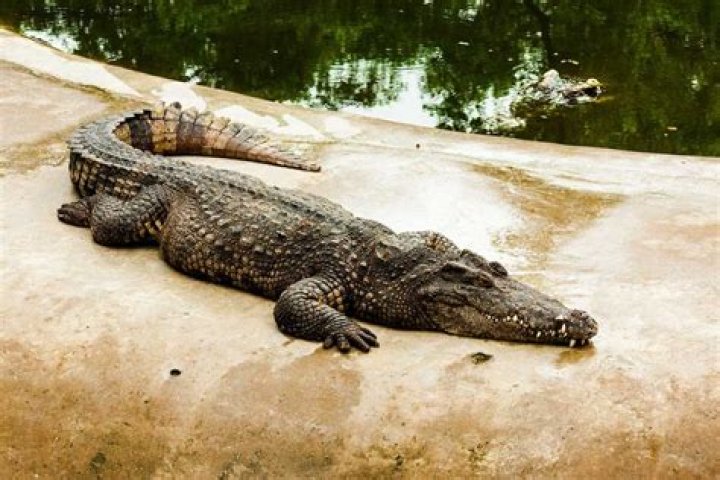
- **Nile Crocodiles**: Stealthy hunters with a powerful bite, posing a significant threat near water bodies.
- **Snakes**: Species like the black mamba and puff adder are venomous and can deliver fatal bites.
What Are the Statistics on Hippo Attacks?
The statistics surrounding hippo attacks are startling. Each year, it is estimated that hippos are responsible for around 500 deaths. This staggering number surpasses fatalities caused by more notorious creatures, such as lions or elephants. The reasons for these attacks include:
- **Inadvertent Human Encroachment**: People often come too close to hippo territories, leading to aggressive encounters.
- **Defensive Behavior**: Hippos are fiercely protective of their young, leading to violent confrontations.
What Precautions Should You Take When Encountering Hippos?
If you find yourself in hippo territory, it is crucial to exercise caution and follow these safety tips:
- **Keep Your Distance**: Always maintain a safe distance from hippos, especially if they are in the water.
- **Avoid Nighttime Encounters**: Hippos are more active at night and can be unpredictable.
- **Stay in Groups**: Traveling in groups can deter hippos from approaching.
Are There Other Animals That Rival the Hippo for Deadliness?
While the hippopotamus is often highlighted, Africa is home to numerous other animals that pose significant threats. Among these are the African elephant, the Nile crocodile, and various venomous snakes. Each of these animals has unique characteristics that make them dangerous, but how do they compare to the hippo?
The African Elephant: A Gentle Giant or a Deadly Threat?
Despite their size and strength, African elephants are generally not aggressive. However, they can become dangerous if they feel threatened or if their young are in danger. The sheer weight of an elephant can be deadly, and incidents involving elephants can lead to severe injuries or fatalities.
The Nile Crocodile: Stealthy Predator of the Waters
The Nile crocodile is another formidable contender. Known for their stealth and powerful bites, these reptiles are responsible for numerous attacks on humans every year. Their ability to ambush prey from the water makes them one of Africa's deadliest animals.
What Role Does the Most Deadly Animal in Africa Play in the Ecosystem?
Understanding the role of the most deadly animal in Africa is vital for appreciating the balance of the ecosystem. Hippos, for instance, contribute to their environment in several ways:
- **Nutrient Cycling**: Their waste provides essential nutrients to aquatic ecosystems.
- **Habitat Creation**: By grazing on vegetation, hippos help maintain the balance of plant life in their habitats.
Why Should We Respect the Most Deadly Animal in Africa?
Respecting wildlife, including the most deadly animal in Africa, is crucial for conservation efforts. Understanding their behavior and preserving their habitats can help reduce human-animal conflicts. By promoting awareness and education about these magnificent creatures, we can foster a sense of coexistence and protect them for future generations.
Conclusion: The Importance of Understanding the Most Deadly Animal in Africa
In conclusion, the most deadly animal in Africa, the hippopotamus, serves as a reminder of the wild's unpredictability. While they may appear gentle, their aggressive nature and territorial instincts make them a force to be reckoned with. By understanding their behavior and respecting their habitats, we can ensure a safer coexistence with these magnificent creatures and appreciate the rich biodiversity that Africa has to offer.
Kris Jenner's Extraordinary Journey As A Mother: The Lives Of Her Children
Unveiling The Life Of Michelle Beisner Buck: A Multifaceted Talent
Talladega Nights Cast: The Stars Behind The Iconic Comedy
