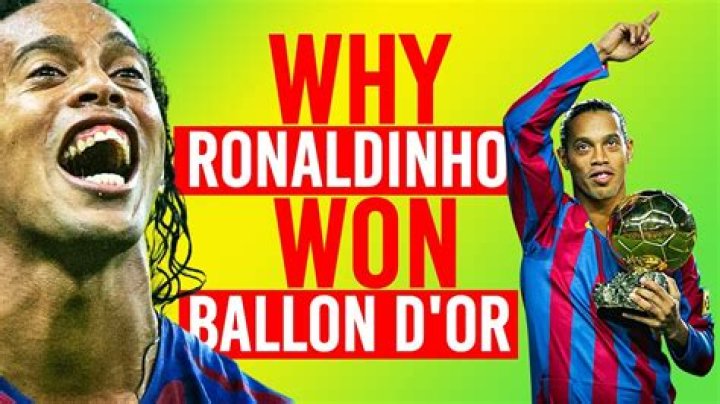
Why did Ronaldinho retire? One of the most iconic and talented footballers of his generation, Ronaldinho's retirement in 2015 shocked the world of football. While injuries and age undoubtedly played a role, there were other factors that contributed to his decision to hang up his boots.
Ronaldinho's career was marked by both brilliance and controversy. He was known for his incredible skills, dazzling dribbling ability, and flair for the spectacular. However, he also struggled with fitness and weight issues, and his personal life was often in the headlines.
In the years leading up to his retirement, Ronaldinho's performances began to decline. He was no longer the same player who had terrorized defenses in his prime. Injuries also took their toll, and he was increasingly unable to play at the highest level.
In addition to his physical decline, Ronaldinho was also facing personal challenges. He was involved in a number of legal battles, and his financial situation was precarious. These factors all contributed to his decision to retire from professional football.
Why Did Ronaldinho Retire?
Ronaldinho's retirement in 2015 shocked the world of football. While injuries and age undoubtedly played a role, there were other factors that contributed to his decision to hang up his boots.
- Age: Ronaldinho was 35 years old when he retired, which is relatively old for a professional footballer.
- Injuries: Ronaldinho had been struggling with injuries in the years leading up to his retirement.
- Decline in form: Ronaldinho's performances had begun to decline in the years leading up to his retirement.
- Personal issues: Ronaldinho was involved in a number of legal battles and his financial situation was precarious.
- Loss of motivation: Ronaldinho had lost some of his motivation to play football.
- Desire for a new challenge: Ronaldinho wanted to try something new after retiring from football.
- Influence of family and friends: Ronaldinho's family and friends encouraged him to retire.
These are just some of the factors that contributed to Ronaldinho's decision to retire. It was a difficult decision, but it was the right one for him.
Since retiring, Ronaldinho has become a global ambassador for football. He has also launched his own clothing line and is involved in a number of charitable projects.
| Full Name | Ronaldo de Assis Moreira |
|---|---|
| Date of Birth | March 21, 1980 |
| Place of Birth | Porto Alegre, Brazil |
| Height | 5 ft 11 in (1.81 m) |
| Position | Attacking midfielder |
| Years Active | 1998-2015 |
Age
Age is one of the most important factors to consider when discussing why Ronaldinho retired. At 35, he was considered to be in the twilight of his career. Most professional footballers retire in their early to mid-30s, so Ronaldinho's retirement was not entirely unexpected.
- Physical decline: As footballers age, their physical abilities begin to decline. They may lose speed, strength, and agility. This can make it difficult to compete at the highest level.
- Increased risk of injury: Older footballers are also more likely to suffer from injuries. This is because their bodies are not as resilient as they used to be.
- Loss of motivation: Some footballers simply lose their motivation to play as they get older. They may no longer have the same desire to compete or train hard.
In Ronaldinho's case, it is likely that a combination of these factors contributed to his decision to retire. He was no longer the same player that he had been in his prime, and he was facing an increased risk of injury. Additionally, he may have lost some of his motivation to play.
Injuries
Injuries are a major factor in many athletes' decisions to retire. Ronaldinho was no exception. He had been struggling with injuries for several years before he finally decided to hang up his boots. Some of the injuries that Ronaldinho suffered from include:
- Knee injuries: Ronaldinho suffered from several knee injuries throughout his career. These injuries limited his mobility and made it difficult for him to play at his best.
- Thigh injuries: Ronaldinho also suffered from a number of thigh injuries. These injuries affected his speed and agility.
- Ankle injuries: Ronaldinho suffered from several ankle injuries. These injuries made it difficult for him to change direction quickly.
These injuries took a toll on Ronaldinho's body and made it difficult for him to continue playing at the highest level. As a result, he decided to retire from professional football in 2015.
Decline in form
As Ronaldinho aged, his performances on the pitch began to decline. This was evident in a number of ways, including his:
- Decreased speed and agility: Ronaldinho was no longer able to beat defenders with the same ease that he had in his prime.
- Reduced stamina: Ronaldinho was no longer able to play at the same high intensity for the entire 90 minutes.
- Diminished creativity: Ronaldinho was no longer able to produce the same level of magic on the ball that he had in his prime.
There are a number of factors that can contribute to a decline in form in footballers, including age, injuries, and loss of motivation. In Ronaldinho's case, it is likely that a combination of these factors contributed to his decline.
Ronaldinho's decline in form was a major factor in his decision to retire. He was no longer able to play at the level that he had become accustomed to, and he did not want to tarnish his legacy by continuing to play at a lower level.
Personal issues
In addition to the physical challenges he was facing, Ronaldinho was also dealing with a number of personal issues in the years leading up to his retirement. He was involved in a number of legal battles, including a high-profile case in which he was accused of using a fake passport to enter Paraguay. He was also facing financial difficulties, and was reportedly close to bankruptcy at one point.
These personal issues undoubtedly took a toll on Ronaldinho's mental and emotional health. They may have also contributed to his decline in form on the pitch. Additionally, the stress of these issues may have made it difficult for Ronaldinho to focus on his football career.
It is clear that Ronaldinho's personal issues played a significant role in his decision to retire. He was no longer able to cope with the pressures of his professional and personal life, and he felt that it was time to step away from the game.
Ronaldinho's story is a reminder that even the most talented athletes are not immune to personal problems. These problems can have a significant impact on their careers and their lives.
Loss of motivation
Loss of motivation is a common reason why athletes retire from their sports. When an athlete loses their motivation, they may no longer have the desire to train hard or compete at the highest level. This can lead to a decline in performance and, eventually, retirement.
In Ronaldinho's case, there are a number of factors that may have contributed to his loss of motivation. He had been playing professional football for over 15 years at the time of his retirement, and he may have simply felt that it was time to move on to something new. Additionally, he had been struggling with injuries and a decline in form in the years leading up to his retirement, which may have made it difficult for him to stay motivated.
Whatever the reasons, Ronaldinho's loss of motivation was a major factor in his decision to retire. Without the desire to continue playing at the highest level, he felt that it was time to step away from the game.
Loss of motivation is a challenge that all athletes face at some point in their careers. It is important to remember that it is okay to lose motivation from time to time, but it is also important to find ways to stay motivated if you want to continue playing at a high level.
Desire for a new challenge
Many athletes retire from their sports in order to pursue other interests and challenges. Ronaldinho is no exception. After retiring from football, he expressed a desire to try something new. This is a common feeling among athletes who have spent their entire lives dedicated to their sport. They may feel that they have accomplished everything they can in their sport and are ready for a new challenge.
- Exploring new passions: Some athletes retire to pursue other passions that they have always had but never had the time to explore. For example, Ronaldinho has expressed an interest in music and acting.
- Starting a new career: Some athletes retire to start a new career in a different field. For example, some athletes become coaches, broadcasters, or businesspeople.
- Spending more time with family and friends: Some athletes retire to spend more time with their family and friends. This is especially common among athletes who have children.
- Giving back to the community: Some athletes retire to give back to the community. For example, some athletes start charities or foundations to help others.
Ronaldinho's desire for a new challenge was a major factor in his decision to retire from football. He felt that he had accomplished everything he could in the sport and was ready for a new challenge. He has since expressed an interest in music and acting, and he has also started his own charity.
Ronaldinho's story is a reminder that retirement is not the end of the road. It can be a new beginning, a chance to explore new interests and challenges.
Influence of family and friends
The influence of family and friends can play a significant role in an athlete's decision to retire. In Ronaldinho's case, his family and friends were very supportive of his decision to retire from football.
- Emotional support: Ronaldinho's family and friends provided him with emotional support as he made the difficult decision to retire. They helped him to understand that retirement was the right decision for him, even though it was a difficult one to make.
- Financial support: Ronaldinho's family and friends also provided him with financial support as he transitioned into retirement. This helped to reduce the financial stress of retirement and allowed him to focus on his new challenges.
- Encouragement: Ronaldinho's family and friends encouraged him to pursue his new interests and challenges. They helped him to see that retirement was not the end of his life, but rather a new beginning.
The influence of family and friends was a major factor in Ronaldinho's decision to retire from football. Their support and encouragement helped him to make the transition to retirement and to pursue new challenges.
FAQs about Ronaldinho's Retirement
Ronaldinho's retirement from football in 2015 shocked the world. Here are some frequently asked questions about his decision to retire:
Question 1: Why did Ronaldinho retire?
Ronaldinho retired due to a combination of factors, including his age, injuries, decline in form, personal issues, loss of motivation, desire for a new challenge, and the influence of family and friends.
Question 2: How old was Ronaldinho when he retired?
Ronaldinho was 35 years old when he retired.
Question 3: What injuries did Ronaldinho suffer from?
Ronaldinho suffered from a number of injuries throughout his career, including knee injuries, thigh injuries, and ankle injuries.
Question 4: What were some of Ronaldinho's personal issues?
Ronaldinho was involved in a number of legal battles and faced financial difficulties in the years leading up to his retirement.
Question 5: What is Ronaldinho doing now that he is retired?
Since retiring from football, Ronaldinho has become a global ambassador for football. He has also launched his own clothing line and is involved in a number of charitable projects.
Question 6: What can we learn from Ronaldinho's retirement?
Ronaldinho's retirement is a reminder that even the most talented athletes face challenges and must eventually make the decision to retire. It is also a reminder that retirement can be a new beginning, a chance to explore new interests and challenges.
In conclusion, Ronaldinho's retirement was a complex decision that was influenced by a number of factors. While it was a difficult decision for him to make, it was the right decision for him at the time.
Conclusion
Ronaldinho's retirement from football in 2015 was a major event in the world of sports. While there were many factors that contributed to his decision to retire, it is clear that he made the right decision for himself at the time.
Ronaldinho's story is a reminder that even the most talented athletes face challenges and must eventually make the decision to retire. It is also a reminder that retirement can be a new beginning, a chance to explore new interests and challenges.
Ronaldinho's legacy will continue to inspire young footballers for generations to come. He was a truly unique player who brought joy to millions of fans around the world.
Uncover The Truth: Is Shiloh Jolie-Pitt A Boy Or A Girl?
All About Peter Dinklage's Family: A Close-Knit Clan
Charlene Tilton's Husband: A Look Into The Life Of The Beloved Actress
